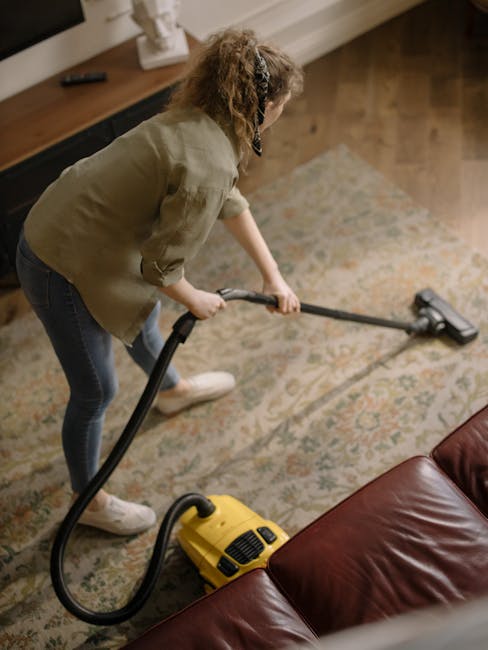
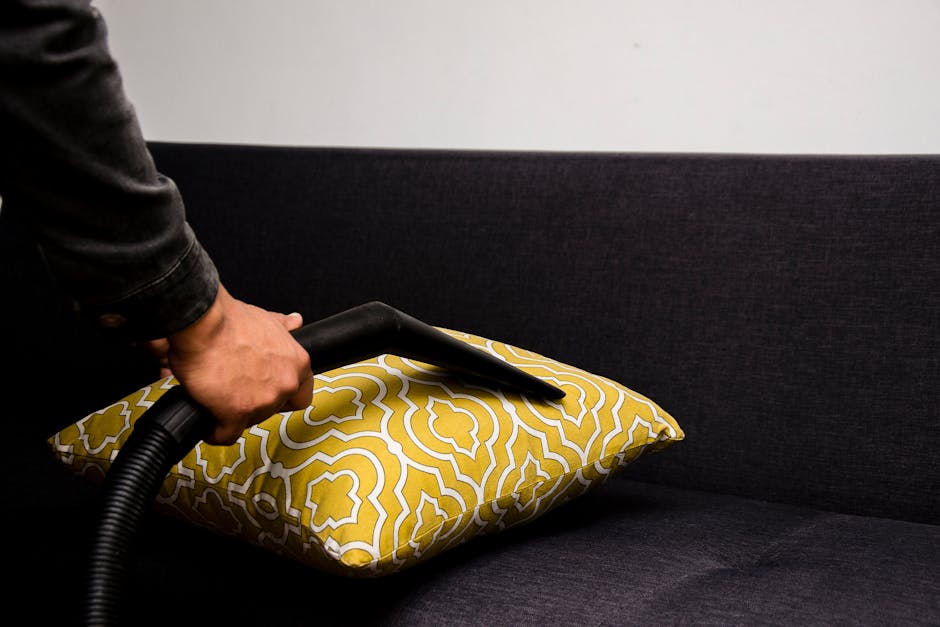
Alexandra Palace sofa cleaning for Grange Park homes
If your sofa has started to look a bit tired, smell less than fresh, or show the everyday marks of family life, Alexandra Palace sofa cleaning for Grange Park homes is the kind of practical help that makes a real difference. A good clean does more than lift stains. It can brighten the room, improve comfort, and help your furniture last longer. And let's be honest, the sofa is where life happens: tea spills, muddy paws, the odd biscuit crumb, and that mysterious patch you only notice when the afternoon light hits just right.
This guide explains how sofa cleaning works, why it matters in Grange Park homes, what methods are usually used, and how to choose the right approach for your upholstery. It also covers common mistakes, useful checks before booking, and a few best-practice tips that make the whole process smoother.
Table of Contents
- Why Alexandra Palace sofa cleaning for Grange Park homes Matters
- How Alexandra Palace sofa cleaning for Grange Park homes Works
- Key Benefits and Practical Advantages
- Who This Is For and When It Makes Sense
- Step-by-Step Guidance
- Expert Tips for Better Results
- Common Mistakes to Avoid
- Tools, Resources and Recommendations
- Law, Compliance, Standards, or Best Practice
- Options, Methods, or Comparison Table
- Case Study or Real-World Example
- Practical Checklist
- Conclusion
- Frequently Asked Questions
Why Alexandra Palace sofa cleaning for Grange Park homes Matters
In a home, a sofa is not just furniture. It is a landing spot, a napping spot, a working spot, a snack-on-the-armrest spot. Over time, that daily use leaves behind body oils, dust, drink marks, pet hair, and the kind of dull film that makes fabric look older than it really is. In Grange Park homes, where people often want rooms to feel clean, calm, and well cared for, sofa maintenance can have a surprisingly big visual impact.
There is also the hygiene side. Sofas trap debris deep in the fibres, especially on family-settees, fabric corner sofas, and upholstered footstools. If you have allergies, pets, or young children, the build-up becomes more noticeable. Not dramatic. Just there. A bit stuffy, a bit flat, a bit not-right.
Professional upholstery cleaning is often the sensible middle ground between doing nothing and replacing the sofa too early. It can freshen the fabric, improve the feel, and remove surface soiling that regular vacuuming cannot reach. For many households, that is enough to make the whole living room feel sorted again.
There is also a value argument. Sofas are expensive to replace, and good upkeep helps protect that investment. Truth be told, most people wait a little too long. By the time they call for help, marks have set in and odours have sunk deeper than expected. A routine clean, on the other hand, is much easier to manage.
If you are also looking after other soft furnishings at the same time, it can be sensible to review related services such as upholstery cleaning, curtain cleaning, or even rug cleaning so the whole room feels consistent rather than just one item looking newly bright.
How Alexandra Palace sofa cleaning for Grange Park homes Works
Sofa cleaning is usually a methodical process rather than a one-size-fits-all blast of water and hope. The right approach depends on the fabric type, the age of the sofa, the nature of the marks, and how sensitive the material is to moisture or heat.
Typical process
- Inspection - The cleaner checks the fabric, seams, labels, staining, wear, and any weak spots.
- Testing - A small, discreet test area is often used to check how the material reacts to cleaning products.
- Dry soil removal - Loose dust, crumbs, pet hair, and grit are removed first, usually by vacuuming and careful agitation.
- Pre-treatment - Spots and heavily used areas may be treated with suitable solutions before the main clean.
- Main cleaning - Depending on the sofa, this may involve low-moisture upholstery cleaning, hot water extraction, or another suitable method.
- Rinsing or neutralising - Any residues are reduced so the fabric feels clean rather than sticky.
- Drying guidance - Good airflow, room temperature, and sensible aftercare help the sofa dry properly.
The key point is compatibility. A delicate linen-look fabric should not be treated the same way as a more robust synthetic weave. A velvet sofa is a completely different conversation from a hard-wearing family chenille. If the process feels too aggressive, it usually is.
For tougher problems, especially embedded marks, you may also need targeted stain removal or specialist pet stain and odour removal where suitable. That is particularly useful after pet accidents, food spills, or accidental drink contamination that has left a smell behind. Nobody wants a sofa that looks okay but gives off a faint ghost of last Sunday's curry.
What is usually assessed first?
- Fabric type and weave
- Colour fastness
- Visible stains and hidden marks
- Odours
- Wear along seat cushions and armrests
- Drying conditions in the property
A careful assessment saves trouble later. It avoids over-wetting, colour bleeding, shrinkage, and the all-too-common mistake of treating every sofa like a durable synthetic rental suite.
Key Benefits and Practical Advantages
A proper sofa clean brings a mix of immediate and longer-term benefits. Some are obvious the minute you see the result. Others creep up quietly over the following weeks.
- Improved appearance - The fabric looks fresher, brighter, and more even.
- Better hygiene - Dust, crumbs, and everyday build-up are reduced.
- Odour control - Lingering smells from pets, cooking, or general use can be tackled.
- Better fabric care - Regular cleaning helps preserve fibres and colour.
- More comfortable living space - The whole room tends to feel cleaner when the main seating is clean.
- Cost efficiency - Cleaning is usually far more economical than replacement.
There is also a psychological benefit people do not always mention. When the sofa looks clean, the room feels more put together. You sit differently. You notice the space differently. It sounds a bit dramatic, maybe, but it happens all the time.
If you are already planning wider home maintenance, pairing sofa care with steam carpet cleaning or carpet cleaning can make sense, especially in living rooms where furniture and flooring share the same traffic, dust, and spill patterns.
Who This Is For and When It Makes Sense
Alexandra Palace sofa cleaning for Grange Park homes is a good fit for a lot of households, not just those dealing with obvious stains. In practice, it makes sense whenever your sofa is used regularly and you want to keep it in proper condition.
It is especially useful if you have:
- Children who snack, climb, and test the limits of gravity
- Pets that treat the sofa like a shared lounge
- Light-coloured upholstery that shows marks quickly
- Allergy concerns, where dust and debris can be an issue
- Guests coming soon and the living room needs a reset
- A sofa that smells stale after long, heavy use
It also makes sense after a single incident. A spilled glass of red wine, a pet accident, or a food stain can be better addressed promptly than left to settle in. The longer a mark stays, the more it can bond with the fibres. That part is not glamorous, but it is true.
For some homes, the question is not "Should we clean it?" but "How soon can we reasonably do it?" If a sofa is still structurally sound but looks tired, cleaning often offers the best return on effort.
Step-by-Step Guidance
If you want the best outcome, a bit of preparation helps. You do not need to turn the sitting room upside down. Just a few sensible steps can make the process smoother and protect the upholstery.
- Check the care label
Look for fabric cleaning codes or care instructions. These are useful clues, not decoration. They can help identify whether the upholstery should be cleaned with water-based methods, solvent-based methods, or a very cautious low-moisture approach.
- Vacuum the sofa first
Removing loose dust, crumbs, and hair before cleaning stops grit from being dragged deeper into the fabric. Pay attention to the creases, under cushions, and the back edges. Those awkward little pockets hide a lot.
- Point out problem areas
If there are particular stains, smell issues, or wear spots, flag them early. It helps the cleaning plan match the actual issue rather than applying a general clean and hoping for the best.
- Move nearby items
Small tables, ornaments, and fragile items near the sofa should be cleared to give enough working space.
- Protect access and airflow
Open a window if practical. Good ventilation supports faster drying. In cooler months, that little bit of airflow can make a noticeable difference.
- Allow proper drying time
Try not to sit on the sofa until it is fully dry, or at least no longer damp to the touch. If cushions are put back too soon, moisture can linger in the middle layers. Not ideal.
One practical note: if the sofa is part of a larger refresh, consider cleaning the surrounding soft furnishings too. A newly cleaned sofa beside dusty curtains can look slightly unfair to the sofa, honestly.
Expert Tips for Better Results
Small choices make a big difference with upholstery. Here are the kinds of details that usually separate a good result from an average one.
- Act quickly on spills - Blot, do not rub. Rubbing pushes the spill outward and can fray the fibres.
- Use the right method for the fabric - What works on microfibre may not suit wool blends or textured fabrics.
- Do not soak the sofa - More water is not the answer. It can create drying issues and leave tide marks.
- Test before treating a stain - Especially on coloured or delicate upholstery.
- Keep pets off during drying - A damp sofa and a curious cat are not a dream team.
- Refresh consistently - Light maintenance between deep cleans usually gives better long-term results.
A useful habit is to vacuum weekly and spot-check the arms and seat fronts every couple of days if the sofa gets heavy use. Those are the zones that show wear first. If you stay ahead of them, you do not get the same build-up.
And yes, sometimes the best tip is just this: do not wait until the sofa looks embarrassing. That sounds blunt, but it is the honest answer.
Common Mistakes to Avoid
Most upholstery damage comes from enthusiasm rather than neglect. People try to fix the issue fast, and the fabric pays the price.
- Using too much household cleaner - Strong products can leave residue or damage delicate fibres.
- Scrubbing aggressively - This can spread the mark and roughen the fabric.
- Ignoring the fabric code - The sofa label matters.
- Cleaning only the stain and not the surrounding area - This can create a ring or patch effect.
- Not allowing enough drying time - Damp fabric can smell musty later.
- Assuming all odours are surface-level - Some smells sit deeper in the upholstery and need a more considered approach.
Another common slip is trying to rescue a stain with a random product found under the sink. To be fair, we have all done it at some point. But upholstery is more sensitive than a kitchen counter, and what works on one material can ruin another.
Tools, Resources and Recommendations
You do not need a house full of specialist kit, but a few basic tools make sofa care easier and safer.
- A vacuum with an upholstery attachment
- A soft brush for gentle dust removal
- Clean white cloths for blotting spills
- A small bowl of plain water for cautious spot testing where appropriate
- Fans or open windows to support drying
- Access to a professional cleaner when stains go beyond DIY territory
If you are comparing service options, look beyond the headline price. Ask what cleaning method will be used, whether the fabric will be inspected first, and how drying is managed. Good upholstery care is about judgment as much as equipment.
It can also help to compare related services if your soft furnishings need a wider refresh. For example, sofa cleaning is the obvious starting point, but if the whole room needs attention, combining it with carpet cleaning or curtain cleaning often gives a more complete result.
Law, Compliance, Standards, or Best Practice
For domestic sofa cleaning, the main concern is not legal complexity but safe, sensible practice. Reputable cleaners in the UK should work with care around the property, use products responsibly, and take reasonable steps to avoid damage. That usually means identifying fabric type, checking access, and being careful with moisture, heat, and chemicals.
If a provider is operating professionally, it is fair to expect sensible precautions around public liability, equipment handling, and clear communication about any limitations. You do not need a lecture on compliance. You just want the job done properly and safely, which is perfectly reasonable.
Best practice also includes transparency. That means being clear about what can be cleaned, what cannot be guaranteed, and what might only improve rather than disappear completely. Stains vary. Some are old, set, or chemically changed. An honest assessment is better than a rosy promise that turns into disappointment later.
If you want to understand broader service standards, it can be helpful to review pages such as health and safety policy, insurance and safety, and terms and conditions. Those pages do not clean the sofa for you, obviously, but they do show how a company approaches accountability and customer care.
Options, Methods, or Comparison Table
Different sofas need different methods. Here is a simple comparison to help you think through the main options.
| Method | Best for | Strengths | Limitations |
|---|---|---|---|
| Vacuum and spot care | Light maintenance, fresh spills, routine upkeep | Fast, low-risk, easy to repeat | Not enough for deep soiling or set odours |
| Low-moisture upholstery cleaning | Delicate fabrics, regular domestic sofas | Careful on sensitive textiles, quicker drying | May not suit every stain type |
| Hot water extraction | More durable upholstery, heavier soil build-up | Deep-clean effect, strong soil removal | Requires skill and proper drying management |
| Targeted stain treatment | Specific marks, localised problem areas | Focused and efficient | Not always enough on its own |
| Odour-focused treatment | Pet smells, stale upholstery, spill-related odours | Targets the source rather than masking it | Results vary depending on how deep the odour has penetrated |
There is no universal winner here. A robust synthetic sofa in a busy family room may suit a more intensive clean, while a delicate fabric in a quieter home needs a lighter touch. The best cleaner is the one who judges that properly, not the one who reaches for the same method every time.
Case Study or Real-World Example
A typical Grange Park household might notice the sofa has become dull over winter. By late afternoon, when the curtains are half-open and the room is at its brightest, the armrests look greyer than they used to. There may be a faint food smell from a few spills that never seemed serious at the time. Nothing dramatic. Just enough to bother you.
In that kind of situation, the first step is a careful inspection. The cleaner identifies the fabric, checks the stain types, and decides whether a light clean or a deeper upholstery process is more appropriate. Spots on the seat fronts might need pre-treatment, while the arms may simply need a general refresh.
After cleaning, the sofa often looks more even in colour and feels softer to the eye, if that makes sense. The smell of stale fabric is reduced, and the room no longer feels weighed down by the sofa itself. The change can be subtle, but it adds up. People notice. They sit down and say, "Oh, that's better," which is usually the whole point.
For a home like that, a combined approach can work well too. If the room also has marked rugs or tired carpets, it is often worth looking at rug cleaning and steam carpet cleaning alongside the sofa work, so the whole space feels balanced.
Practical Checklist
Use this quick checklist before arranging sofa cleaning or doing light maintenance yourself.
- Check the fabric care label
- Vacuum all seat surfaces, seams, and cushion edges
- Identify stains, odours, and wear spots
- Move fragile items away from the work area
- Confirm whether the sofa is safe for water-based cleaning
- Keep children and pets away during and after the clean
- Make sure the room has sensible ventilation
- Allow enough drying time before heavy use
- Ask about any aftercare instructions
- Consider whether carpets, rugs, or curtains need attention too
Quick expert summary: the best sofa clean is usually the one that matches the fabric, treats stains without over-wetting, and gives the upholstery enough time to dry properly. Simple, but easy to get wrong if you rush it.
If you want a broader look at how a service is delivered, or you are checking practical details before booking, you may also find the company's pricing and quotes information useful alongside the cleaning pages themselves.
Get a free quote today and see how much you can save.
Conclusion
Alexandra Palace sofa cleaning for Grange Park homes is about more than making upholstery look tidy for a day or two. It helps restore comfort, reduce build-up, and keep one of the most used pieces of furniture in the house in better condition for longer. Whether you are dealing with an obvious stain, a stale smell, or simply a sofa that has lost its brightness, a careful clean can make a real difference.
The main thing is to treat the fabric with respect. Match the method to the material, avoid heavy-handed DIY fixes, and do not leave problems until they become stubborn. A thoughtful clean, plus a bit of regular maintenance, usually goes a long way. And when the living room feels fresh again, the whole home feels a little easier to enjoy. That matters more than people admit.
Frequently Asked Questions
How often should I arrange sofa cleaning in a Grange Park home?
That depends on use. A busy family sofa with pets or children may benefit from cleaning more regularly than a formal sitting-room piece. Light maintenance in between helps a lot.
Can all sofa fabrics be cleaned the same way?
No, and that is where many problems start. Different fabrics react differently to moisture, temperature, and cleaning solutions, so the cleaning method should match the upholstery.
Will sofa cleaning remove all stains?
Not always. Fresh stains and surface marks are often more responsive than older or chemically set stains. A proper assessment is the honest starting point.
How long does a sofa take to dry?
Drying time varies by fabric, cleaning method, and room conditions. Good ventilation helps, and it is best to avoid heavy use until the upholstery feels properly dry.
Is professional sofa cleaning worth it for light-coloured furniture?
Usually, yes. Light fabrics show everyday soil and marks more quickly, so cleaning can make a noticeable visual difference and help maintain the sofa's appearance.
What should I do before the cleaner arrives?
Vacuum the sofa lightly if possible, clear nearby items, and point out any stains or odour issues. A little preparation makes the visit smoother.
Can pet smells be removed from a sofa?
Often they can be improved a great deal, especially if the issue is treated properly rather than masked. If the odour has soaked deep into the upholstery, results may vary.
Is it safe to clean a sofa myself with household products?
Sometimes for very light spot care, but caution is important. Household products can cause colour loss, residue build-up, or fabric damage if they are not suitable for the upholstery.
What is the difference between sofa cleaning and upholstery cleaning?
Sofa cleaning focuses on the sofa itself, while upholstery cleaning is the broader service category for upholstered furniture. In practice, the terms overlap quite a lot.
Should I clean the sofa before or after carpet cleaning?
Either can work, but many people prefer to clean the sofa and carpets close together so the room feels refreshed as a whole. If the furniture is being moved, sequencing matters a bit.
How do I know if a cleaner is a good fit for my sofa?
Ask how they assess fabric type, how they approach stains, and how they manage drying. Clear answers are usually a good sign. Vague answers, not so much.
What other services might be useful at the same time?
If the room needs a broader refresh, it may be sensible to look at upholstery cleaning, carpet cleaning, or curtain cleaning so the room feels consistently clean rather than just one item standing out.
When a sofa is properly looked after, the whole room tends to breathe a little easier. That quiet, fresh feeling is worth aiming for.